July 20, 2010 - Mesa Verde National Park, CO
MarkD published on January 15, 1970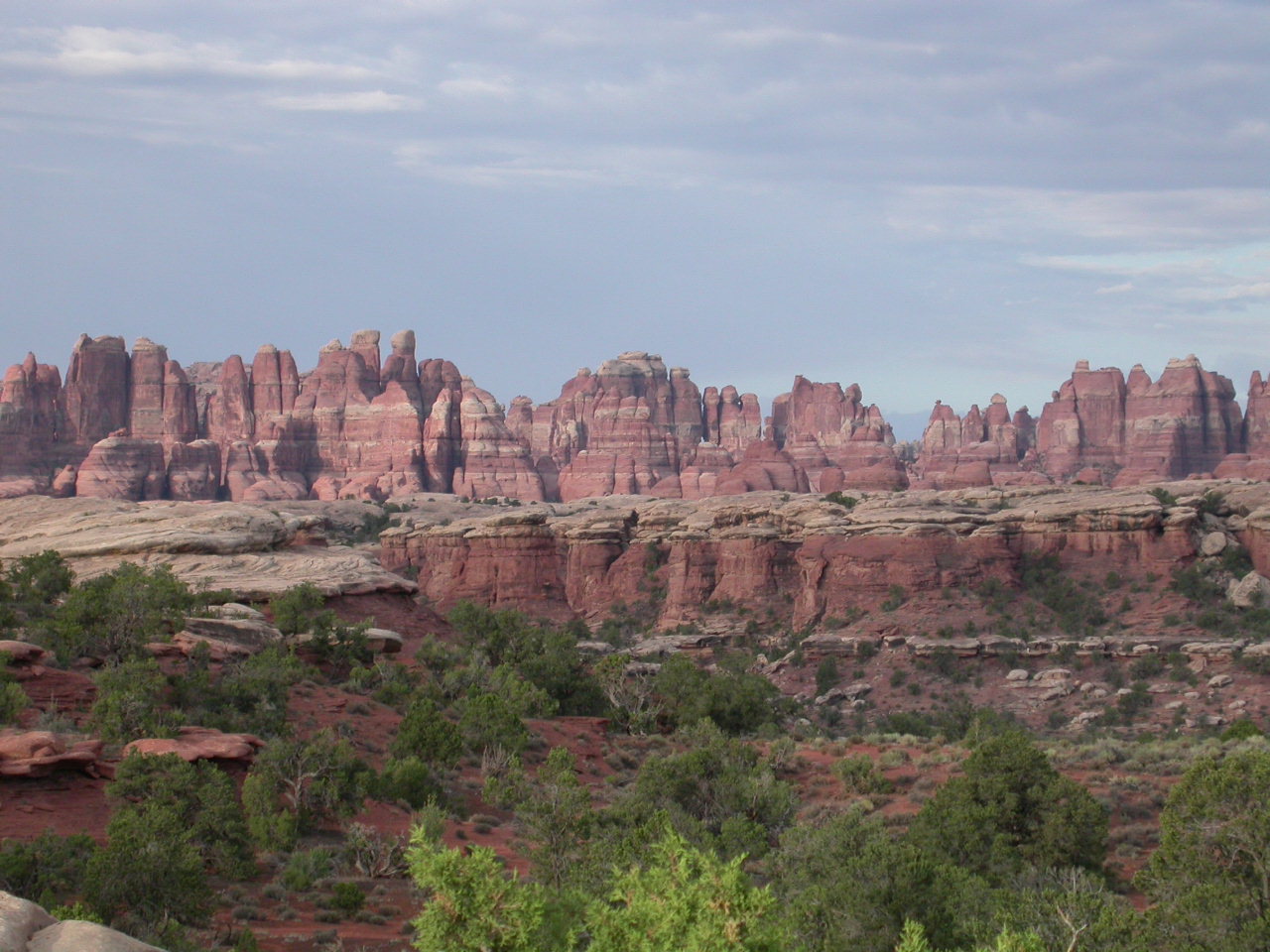 Coming east for the past month, we finally ran out of Utah. There we ventured by a multitude of strange rock formations including arches, natural bridges, pinnacles, fins, cliffs, and slot canyons. Traveling to lower elevations we passed through thousands of feet of sediments that comprise the Colorado Plateau. This mass of nearly continuous deposits over the last 500 million years was shoved up some ten thousand feet and is now being furiously washed out by the streams that flow across it. Some layers being harder than others, where a stream finally cuts through a tougher layer, it quickly saws through softer layers underneath leaving towering cliffs with impressive overhangs. Two species of sandstone, the older (and lower) Wingate and the higher, Entrada, are among the most impressive cliff formers. These rocks, really rock!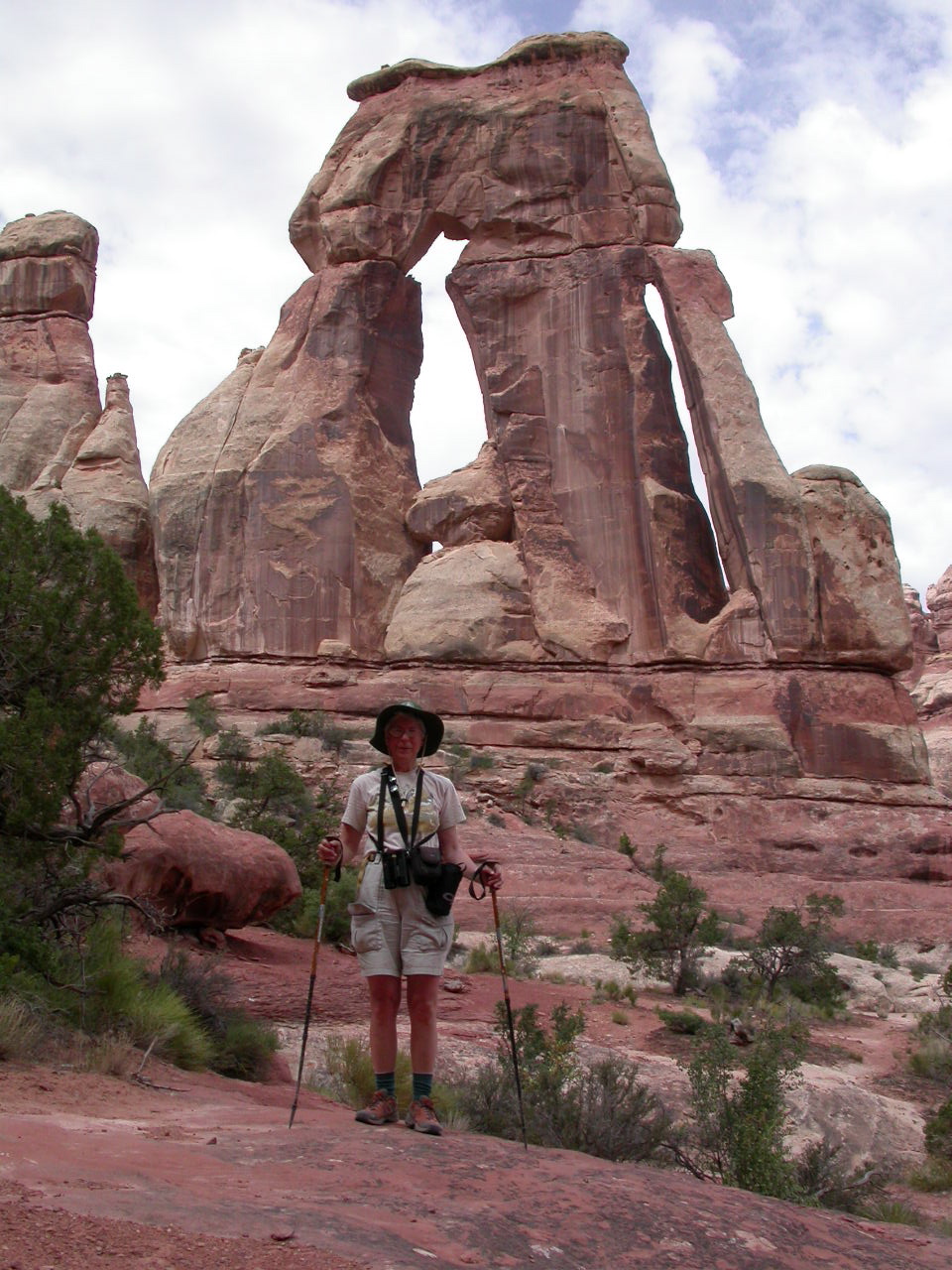
Throw in faulting and collapses of sections of rock above where salt layers dissolved away, and the landscape becomes a maze of canyons, reefs, and even a "staircase" that a ten thousand foot giant could walk down extending from eleven thousand feet to about six thousand feet.
This is also the region of the Anasasi, an Indian people who lived here for hundreds of years and then moved out at about 1300 A.D. for reasons unknown. These were a people who had not yet moved past stone tools but who established a remarkable architecture, building hundreds of stone cliff dwellings, mostly in alcoves within the canyon walls (Entrada formation). Many of these villages, protected somewhat from the weather, have survived these 700 years and inspire awe of the creators. I am awed by the commute that these people had to make to reach their farmlands on the mesa above the cliffs. Today, we take stairs to get from the flat land above to the dwellings below. These people used tiny notches in the rock faces to climb up and down the canyon wall as much as one hundred meters. That was some comute! I guess they stayed fit or they fell off the wall. Burial would be unnecessary. The deceased would truly be gone.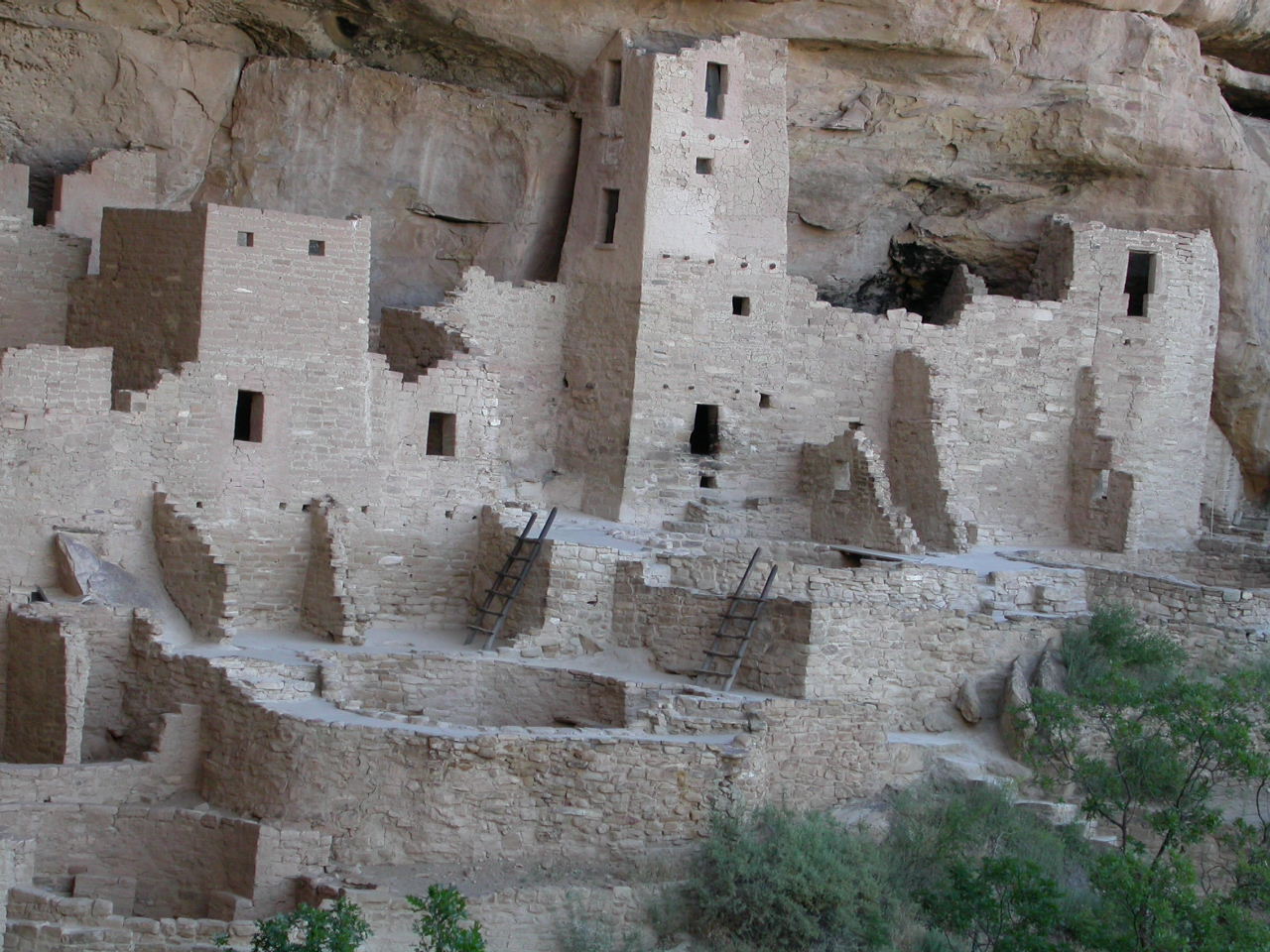 Our travels have been grand. The weather has finally turned warm, but the nights are mostly cool. Here we have the Rockies only thirty miles away and have turned to exploring them the past couple of days after we tired of the archeology. The wildflowers are now spectacular there. Tomorrow we will take a last high country hike. Today is a chore day.
On Thursday, we turn south into Arizona, stopping first at Canyon de Chelly where we will explore more Indian ruins. Then south into southern Arizona for the Southwest Wings Birding Festival. August is peak birding season in that part of the world. The "monsoons" have begun and the birds should be singing during this late summer "second spring." Migration also begins in August, and so more northern birds will be filtering in to make the birding truly exciting.
Arizona was to be the last major component of our "Wild West 2010" expedition, but after our time there we will start our return home by first turning north and heading to southeastern Colorado. There we hope to meet the Carbones at Great Sand Dunes National Park in mid-August. We have conspired to pick the brain of our family geologist, Emily. She might rather we didn't, but that's tough. We have to make use of our resources.
Now to town for laundry, shopping, post office, and Internet access. This should be posted today.
Comments